Air Duct Mold Inspection & Testing
Identify Hidden Mold in Your HVAC System with Expert Mold Inspection & Testing
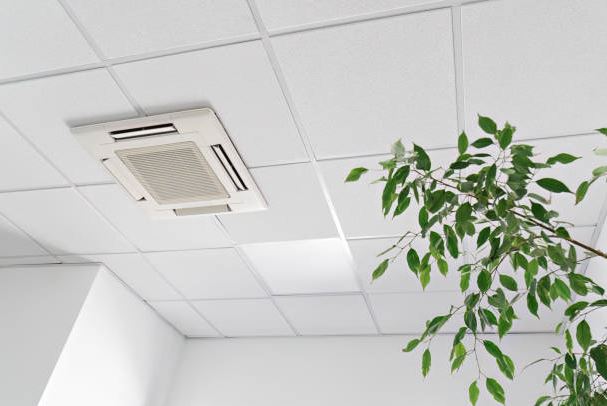
If you’ve noticed musty odors, increased allergy symptoms, or suspect mold inside your HVAC system, professional inspection is the first step toward protecting your home’s indoor air quality. At Allergy Air Duct Cleaning Specialists, we provide comprehensive Air Duct Mold Inspection & Testing services for homeowners throughout Las Vegas, Henderson, and North Las Vegas, NV. Our experienced technicians inspect your ductwork and HVAC system for signs of mold growth, moisture issues, and contamination that may affect the air you breathe.
Many homeowners don’t realize mold may be present until symptoms become noticeable.
Common warning signs include:
- Persistent musty odors from air vents
- Allergy symptoms that worsen indoors
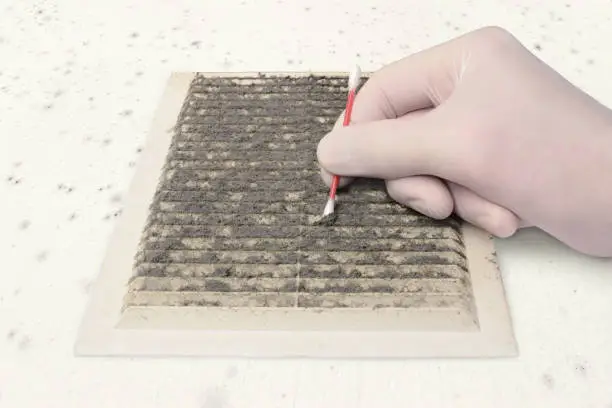
- Visible mold around HVAC vents
- Water leaks near HVAC equipment
- Unexplained indoor air quality concerns
- Frequent sneezing or coughing while inside
Get a free quotes
Why Professional Mold Testing Matters
Many substances inside ductwork—such as dust, dirt, insulation fibers, or mildew—can resemble mold. Professional testing helps distinguish between normal debris and actual mold contamination.
Our inspection and testing services help homeowners:
- Confirm whether mold is present
- Identify moisture sources
- Improve indoor air quality decisions
- Prevent unnecessary cleaning or repairs
- Plan appropriate remediation if needed
- Protect HVAC system performance
Accurate testing eliminates guesswork and helps you address the real cause of indoor air quality concerns.
Our Air Duct Mold Inspection & Testing Process
At Allergy Air Duct Cleaning Specialists, we use a detailed inspection process to identify potential mold concerns within your HVAC system.
Visual HVAC Inspection
Our technicians inspect accessible air ducts, supply and return vents, air handlers, evaporator coils, drain pans, and other HVAC components for visible signs of mold, moisture, or contamination.
Moisture Assessment
Since moisture is the primary factor in mold growth, we evaluate your HVAC system and surrounding areas for water intrusion, condensation, humidity problems, and drainage issues.
Air Duct Mold Testing
When appropriate, we collect samples from suspected areas for laboratory analysis to determine whether mold is present and identify the types of mold spores detected.
Indoor Air Quality Evaluation
If needed, we assess conditions that may contribute to mold growth, helping homeowners understand the overall health of their indoor environment.
Professional Recommendations
Once testing is complete, we explain the findings and recommend the most appropriate next steps, which may include HVAC cleaning, mold remediation by a qualified remediation contractor, moisture correction, or filtration upgrades.
Frequently asked questions
You Can Learn More From Our Frequently Asked Questions
Indoor mold is a common concern for homeowners, especially when unusual odors or allergy symptoms develop. Below are answers to some of the most frequently searched questions about air duct mold inspection and testing
Signs that may indicate mold include musty odors coming from your vents, visible discoloration around registers, recent water damage, condensation inside the HVAC system, or worsening allergy symptoms when the system is running. Because many substances resemble mold, professional inspection and testing are the most reliable ways to confirm its presence.
Yes. Mold can develop when moisture combines with dust and organic material inside HVAC components or ductwork. Common causes include condensation, water leaks, clogged condensate drains, roof leaks, or high humidity in certain areas of the system.
If mold is suspected, testing can help determine whether mold is actually present and guide the appropriate next steps. Air duct cleaning removes dust and debris, but if significant mold contamination exists, additional remediation and moisture correction may be necessary.
Yes. Mold growth inside HVAC systems may release spores that circulate throughout your home whenever the system operates. This can contribute to musty odors and reduced indoor air quality, particularly if the underlying moisture problem is not addressed.
If testing confirms mold, we explain the results, identify possible moisture sources, and recommend appropriate solutions. Depending on the extent of contamination, this may include HVAC cleaning, moisture repairs, filtration upgrades, or referral to a qualified mold remediation specialist when remediation is required.
Preventive measures include replacing HVAC filters regularly, scheduling routine air duct and HVAC maintenance, repairing water leaks promptly, keeping condensate drain lines clear, ensuring proper insulation, and controlling moisture levels throughout your home.